
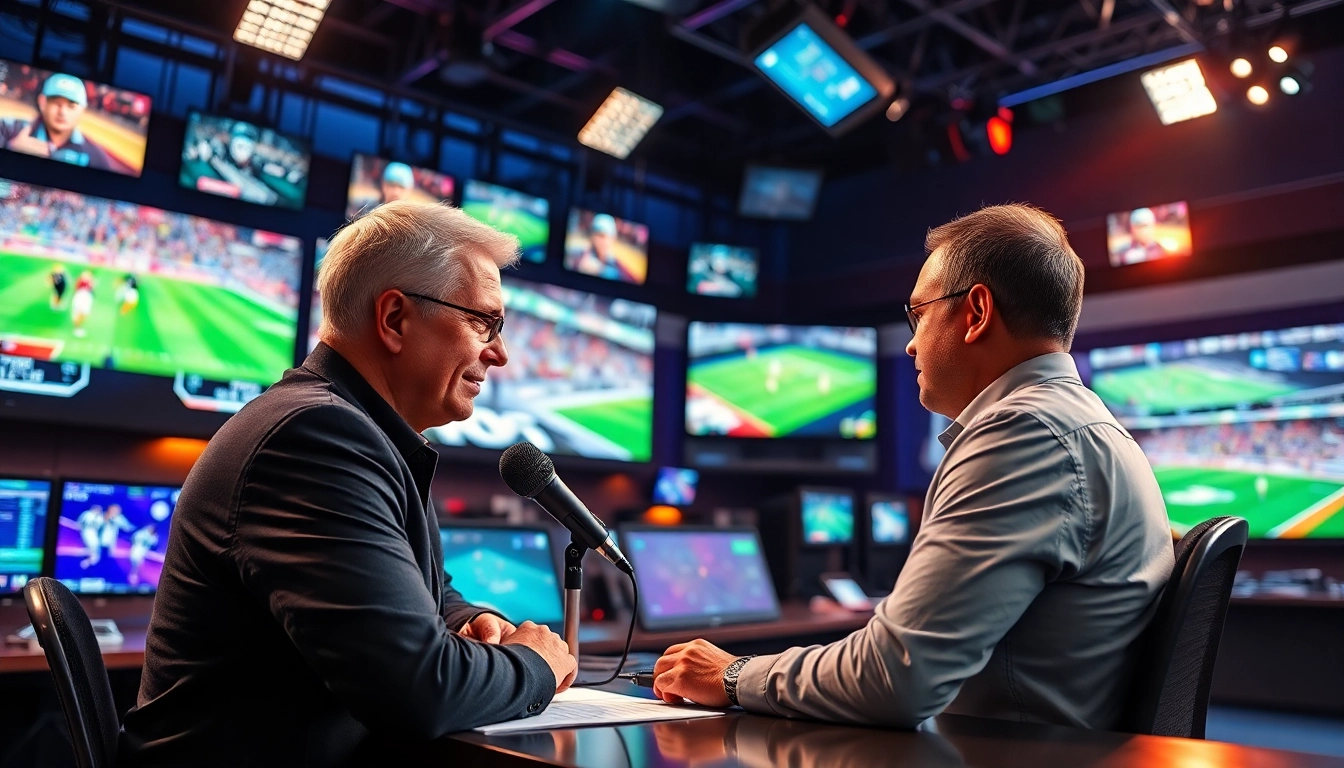
Understanding Sports Broadcasting
Definition and Overview of Sports Broadcasting
Sports Broadcasting refers to the dissemination of sports content through various media channels, including television, radio, and digital platforms. This industry has evolved significantly, driven by consumer demand for immediate access to live sports events. The advent of technologies such as high-definition video and online streaming has transformed how fans engage with their favorite sports. A comprehensive understanding of Sports Broadcasting encompasses not just the events aired but also the analysis, commentary, and behind-the-scenes content that enriches the viewer experience.
Key Stakeholders in Sports Broadcasting
The sports broadcasting ecosystem consists of various stakeholders, each playing a pivotal role. Broadcasters, including television networks and streaming services, are fundamental as they hold rights to air games. Sports leagues and organizations are key drivers, negotiating broadcast rights. Advertisers and sponsors provide the financial lifeblood, while fans are the consumers of the content. Additionally, production crews, commentators, and analysts contribute by enhancing the storytelling and engagement aspects of the broadcasts. Each stakeholder must collaborate effectively to create compelling viewing experiences.
Historical Evolution and Technological Impact
The history of sports broadcasting dates back to the early 20th century. Initially limited to radio broadcasts, the industry saw a major milestone with the first televised sporting event in the 1930s. Advancements in technology have played a fundamental role in transforming the landscape of sports broadcasting. The introduction of color television, cable networks, and satellite broadcast revolutionized accessibility and viewer engagement. More recently, the rise of digital platforms and mobile broadcasting has enabled global access to sports content, significantly impacting viewership patterns and revenue models.
The Role of Technology in Sports Broadcasting
Emerging Technologies Shaping Sports Broadcasting
Emerging technologies are continuously enhancing sports broadcasting. Virtual reality (VR), augmented reality (AR), and artificial intelligence (AI) are increasingly being employed to provide enriched experiences. For instance, VR allows fans to experience games as if they are in the stadium, while AI-driven analytics offer insights into player performance and game strategies. These technologies not only improve viewer engagement but also create new opportunities for broadcasting networks to monetize content.
The Impact of Streaming Services
Streaming services have dramatically altered sports broadcasting by offering greater flexibility and accessibility for viewers. Platforms such as Hulu, Amazon Prime, and dedicated sports streaming services have gained prominence, providing live sports coverage and on-demand content. This shift allows consumers to tailor their viewing experiences, subscribing only to the content they desire. Consequently, traditional broadcasting networks are compelled to adapt by developing their streaming options and integrating the latest technologies to remain competitive.
Analytics in Sports Broadcasting
The integration of analytics in sports broadcasting has revolutionized how games are presented to audiences. Advanced metrics and data visualization techniques enhance storytelling by providing deeper insights into the game, influencing viewer engagement. Broadcasters utilize real-time statistics, heat maps, and player tracking data during broadcasts, offering fans an enriched understanding of the action. This data-centered approach not only elevates the viewing experience but also empowers fans to engage more deeply with the sport.
Audience Engagement Strategies in Sports Broadcasting
Interactive Features for Viewers
Engaging viewers in meaningful ways is essential for broadcasters to maintain interest and loyalty. Interactive features, such as live polls, fantasy leagues, and Q&A sessions with commentators, allow viewers to participate actively during broadcasts. These elements foster a sense of community among fans, encouraging discussions and enhancing the overall experience. By investing in interactivity, broadcasters can significantly boost viewer retention and engagement.
Social Media's Role in Sports Broadcasting
Social media platforms play a critical role in sports broadcasting by serving as channels for real-time engagement and content dissemination. Twitter, Instagram, and Facebook allow broadcasters to interact with fans, share highlights, and provide behind-the-scenes content. Furthermore, social media acts as a catalyst for creating buzz around games, amplifying the reach of broadcasts. Engaging with audiences on these platforms can lead to increased viewership and a loyal fanbase.
Case Studies on Successful Engagement
Several sports organizations have successfully implemented engagement strategies to enhance viewer interaction. For example, the NBA has cultivated its presence on various digital platforms, utilizing immersive content that allows fans to experience the game through different lenses. Similarly, European football leagues have embraced social media, providing interactive content and real-time updates that captivate audiences globally. These case studies highlight the significant role of innovative engagement strategies in shaping successful broadcasting narratives.
Challenges in the Sports Broadcasting Arena
Regulatory and Legal Considerations
The landscape of sports broadcasting is fraught with regulatory and legal challenges. Broadcasting rights, intellectual property laws, and content distribution regulations can complicate agreements between stakeholders. Countries have different laws concerning copyright, which can affect how sports content is broadcasted internationally. Understanding the intricate legal frameworks is crucial for broadcasters to navigate these challenges and operate successfully within legal boundaries.
Competition from Online Platforms
Traditional sports broadcasting faces stiff competition from online platforms offering on-demand content and personalized viewing experiences. Social media platforms and video-sharing sites provide alternative avenues for sports consumption, often at lower or no direct costs to viewers. As a result, traditional broadcasters must evolve their strategies by integrating digital content and enhancing viewer experiences to retain their audience in this highly competitive environment.
Viewer Retention Strategies
Retaining viewers in a competitive broadcasting arena calls for innovative strategies. Broadcasters should focus on personalized content delivery, offering tailored recommendations based on individual preferences. Fan engagement through loyalty programs and targeted advertising can help cultivate a loyal audience. Additionally, prioritizing the quality of the viewer experience—including graphics, commentary, and interactivity—can mitigate viewer churn and encourage long-term viewership.
The Future of Sports Broadcasting
Predicting Trends in Audience Consumption
The future of sports broadcasting will likely be characterized by personalized content consumption patterns. Viewers increasingly desire control over what, when, and how they watch. This shift necessitates the expansion of on-demand services and tailored content offerings. Broadcasters that adapt to these trends and employ data analytics to understand viewer preferences will foster increased loyalty and engagement among audiences.
The Role of Virtual and Augmented Reality
Virtual and augmented reality are set to transform sports broadcasting by creating immersive viewing experiences. As VR technology becomes more accessible, fans could watch games from unique perspectives, including virtual front-row seats or on-field simulations. AR can enhance broadcasts by superimposing real-time statistics and player metrics during live games. These innovations will redefine what it means to experience sports and create new opportunities for engagement.
Preparing for Changes in Broadcasting Rights
The broadcasting rights landscape is continually evolving with shifts in demand and platform availability. Broadcasters must stay ahead by negotiating flexible broadcasting rights that accommodate diverse platforms and viewer preferences. This involves understanding regional trends and engaging with multiple stakeholders, including leagues and digital platforms. By preparing for these changes proactively, broadcasters can secure advantageous positions in the competitive market.
Frequently Asked Questions
What is the importance of technology in sports broadcasting?
Technology enhances viewer experiences through interactive features, analytics, and streaming capabilities, keeping audiences engaged and informed.
How do streaming services impact traditional broadcasting?
Streaming services provide flexible, on-demand access to sports content, increasing competition and prompting traditional broadcasters to adapt their strategies.
What challenges do broadcasters face today?
Broadcasters encounter regulatory hurdles, stiff competition from online platforms, and the need to develop effective viewer retention strategies in a dynamic environment.
How can sports broadcasters engage their audiences?
By implementing interactive features, leveraging social media, and providing personalized content, broadcasters can significantly enhance audience engagement.
What trends are emerging in the future of sports broadcasting?
Future trends include personalized content delivery, increased use of VR/AR technologies, and evolving broadcasting rights strategies to accommodate viewer preferences.